
![[personal profile]](https://www.dreamwidth.org/img/silk/identity/user.png)
![[community profile]](https://www.dreamwidth.org/img/silk/identity/community.png)


𝓪𝓫 𝓸𝓿𝓸.

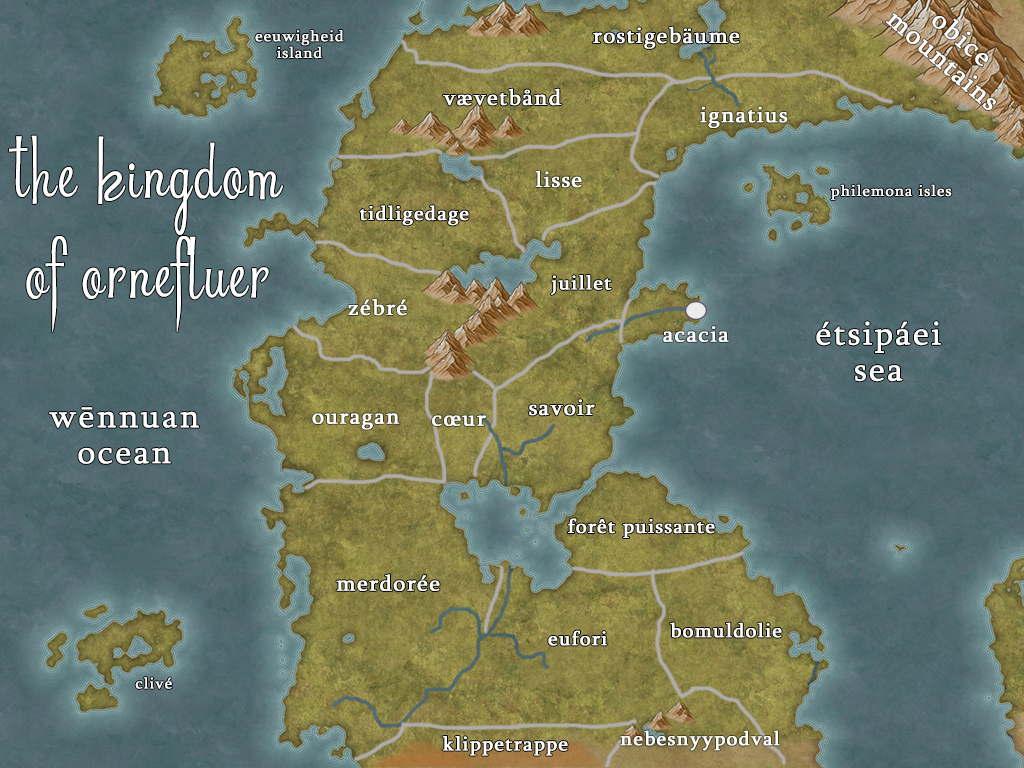
| long ago, the gods slew their creator and scattered their body across the world. their eyes became the sun and the moon, their blood became the oceans, and their ribs became the steppes of svet padayet. it was here that the ancestors of the božanskikonji clan dwelt in the shadows of the gods. but the heart of the one being still beats, driving all who hear it to madness and war. debate rages over why the gods allow the heart to beat. some say the heart is the source of all life, and to destroy it would destroy all life. others say the existence of the heart limits the deception and backstabbing the gods are prone to. no matter how much they cheated each other, there is a limit. on this, the gods remain silent. but the wars fought over the heart must be preferable. it was here that the božanskikonji clan proved their loyalty and bravery to the gods. in each swell of war, they resisted calls from their fellow men to obtain the heart and dominion over the gods. perhaps they know what is at stake should the heart ever be uncovered and exposed to sunlight. like the gods, they remain silent. on the plains of heaven (the ravninyraya), the božanskikonji clan was bestowed the gift of great wisdom by zhiva (the goddess of wisdom and foresight) and the gift of extended life by volosko (the god of death).  their culture has remained largely unchanged since the last war for the heart almost two thousand years ago. while other groups of men planted roots and formed sedentary communities, the božanskikonji clan has remained pastoral and nomadic. in the harsh and dry tundra, they follow wherever the water runs and the grass blooms. they keep large herds of yaks and tame the finest horses in the land. though they also have a reputation for being the deadliest warriors, they are peaceful and prefer to keep out of worldly matters. colloquially, they are referred to as the božanskikonji clan, the clan, konjis, or horsepeople/men/women, leading to the misconception that they were once horses. this is reinforced by the clan's tall and statuesque figures, long hair, and their inclination to wear horse-haired helmets. in their language, božanskikonji translates to "divine horses." and indeed, in several languages in the surrounding area, "konj" is a loan translation for horse. the average lifespan is eight hundred years, but some legendary figures have lived to over a thousand. this was gifted to them by volosko, the god of death. the božanskikonji clan does not treat him as such, however, seeing him as the god of rebirth or the god of new beginnings. to them, death is not the end. only another journey that all must take, and volosko is the shepherd that guides them. the božanskikonji clan does not worship him or give offerings, and he does not require it. in the end, everyone will give him worship and offerings, even his fellow gods. though they appear immortal to a normal human, they are still susceptible to the same injuries, poisons, and disease. their bodies are merely tougher and more resistant. they age normally until twelve or so (about the time they complete their walkabout) when the aging process slams to a crawl. most of their life is spent appearing to be in their twenties, thirties, and forties. aging doesn't resume until roughly the last hundred years of their life. the clan is led by the ataman (a-ta-man) or chieftain, which is determined through a tournament that is held thirty days after the previous ataman's death. though the position is not hereditary, it's expected that the previous ataman's child will prevail, as they've been groomed for it, but this is not always the case. in the case of maroš and artemios (ataman con's sons), the latter declined to participate, so it was all but certain that maroš would become the new ataman. the clan is organized into two groups: warriors (protivetras) and shamans (svetroms). training for both starts when they are young. the warriors are trained in hand-to-hand combat, swordsmanship, and archery. by the age of twelve, a young warrior must complete the pomiru or a walkabout, where they are sent from the clan with a small bag of provisions and dagger to walk around the continent. this is not only to test their skills but to teach them what the božanskikonji clan fights for. and what the other kingdoms fight for. upon their return, they are granted the title of voyin and are considered adults. meanwhile, the shamans are trained in healing, births, burial customs, and necromancy. they can communicate with the dead and reanimate (though they rarely practice the latter). marriage from outside of the clan is allowed, although uncommon. during the wedding ceremony, they are blessed by volosko with an additional one hundred to two hundred years of life. understandably, however, many rulers, nobles, and wealthy merchants from other kingdoms are not keen to send their daughters, who have spent their lives in luxury, to the desolate tundra, where they will be expected to sleep in small huts and tend to livestock. the bride price has never been worth it. while the božanskikonji clan breeds some of the finest horses in the world, they do not possess any great material wealth or commit to military alliances. there are no incentives for foreign dignitaries to "condemn" (their words) their daughters to a life of hardship and simplicity.  southwest of the ravninyraya, past the zharit' desert and the towering obice mountain range, is the kingdom of ornefluer, a large, resource-rich country with a sea to the east and an ocean to its west. it's said that fluer, the country's patron deity, can be found with her hunting dogs roaming the temperate forests. she is the goddess of the hunt and tournament. unlike other kingdoms, magic is uncommon in ornefluer. only about one in every five thousand citizens are blessed with the gift of controlling an element (air, earth, fire, or water). with a population of sixty-five million, only about .02% have magic ability. at ten, they are sent to an academy where they are trained to develop and hone their magic. after graduation, they serve in the military, where a few elites are selected for the king's guards, a unit dedicated to serving and protecting the royal family. the current captain is thea walling, a young woman with an unbelievable knack for magic (she can bend two elements). because of their scarcity of native magic, the kingdom of ornefluer has had to focus on technology and industry to defend itself against its neighbors. gunpowder was invented here and, within the past one hundred years, so were trains, telegraphs, and electricity. much of this innovation is attributed to king constantin's heavy investment in scientific education and research. when he first came to power, he prioritized scaling back on unnecessary spending and reinvesting the money into education, the arts, and welfare programs. though he greatly admired and respected his predecessors, they had ruled with their egos and the common people suffered. royal expenses were slashed. several royal homes were sold or turned into schools. corruption was also investigated and quashed. these incentives (along with the discovery of a rich source of copper in the rostigebäume region) allowed constantin to move massive funds into social and educational programs, leading to its current age of peace and prosperity. it's a beacon of hope and promise against the gathering storm.  since their exile from the ravninyraya, the small group of warriors renamed themselves the samovoljnikonji clan (wayward horses). now no longer nomadic, they have planted roots and formed sedentary and pastoral communities in the southeastern plains of ornefluer. the area is now referred to as nebesnyypodval and was granted tribal sovereignty by king constantin in his first act as king. though the clan is free to govern themselves within their borders, they are still under the jurisdiction of the crown. though they were once considered volosko's children, the horsepeople in ornefluer have not had contact with the god since their exile. there are several theories: 2) because they now reside in another god's realm, they can't communicate with a different god. their connection is blocked. 3) because they didn't fight back against maroš and fled instead, constantin and the samovoljnikonji clan lost favor with volosko. because of this, outsiders who marry into the clan can no longer gain an additional one to two hundred years of life, and the shamans cannot perform their spiritual duties. the ataman of the samovoljnikonji clan is king constantin (formerly known as artemios). as he is also the king of ornefluer and lives in acacia, he is represented by his younger brother, dmitrik, who also acts as the ambassador for the clan.  on playgrounds and in schoolrooms throughout every kingdom, children play a circle game called, "the marble king", wherein a group of children dances in a circle around a single child. the accompanying song tells of a king who would not bend even as a storm raged around him and the ground beneath him shook. on playgrounds and in schoolrooms throughout every kingdom, children play a circle game called, "the marble king", wherein a group of children dances in a circle around a single child. the accompanying song tells of a king who would not bend even as a storm raged around him and the ground beneath him shook.he stayed squared upon his feet and behind him was the drumbeat marble king, marble king" while constantin has never faced a hurricane or an earthquake, the song highlights the admiration and awe of the king found in children even in other kingdoms. perception of him stems from the source of information and the context of the conversation. scientists and artists like him because of his investment in education and the arts, while some merchants criticize him for the high rate of taxes. if constantin is brought up in a conversation about the božanskikonji clan, someone may imagine him as intimidating and duplicitous. people don't know much about the clan, aside from their isolation, talents as warriors, and worship of volosko (while he is considered their patron deity, the božanskikonji clan does not worship him). by and large, however, the people of ornefluer and the surrounding kingdoms hold constantin in high regard. he is fair and benevolent, usually sending aid and relief to others. however, a small subset of the community and his royal court merely tolerate him while a smaller but still prominent group dislikes him. after two hundred and fifty years, they still do not see him as one of their own. if their king were to marry a foreign wife, those feelings might intensify and... |

notes —
the kingdom of ornefluer is based on western europe and the united states; its language is a mixture of french and danish with a sprinkle of german and latin. the technology, fashion, culture, etc are based on mid- to late nineteenth-century western europe.
inspiration for the verse comes from mortal kombat, avatar: the last airbender, black panther, greek mythology, and the works of j.r.r. tolkien.
this is a love story but also a family drama. political intrigue and a war story. a parable, a modern mythology, and an epic. mistakes, accidents, and close calls; successes, suffering, and sacrifice. great acts of courage and vile acts of cowardice. lots of tripping and falling.
pronunciation —
flavor text + director notes —
this information is subject to change, and will always be considered as a work in progress.
flavor text + director notes (pt 2 😬) —